

12 Backyard Oasis Ideas Featuring a Custom Wooden Bar
You want a backyard oasis, not a six-month construction zone full of permits, contractors, and blown budgets. Here's the good news: you don't have to choose between a stunning outdoor bar and your sanity this summer. Whether you're hosting game day, entertaining as newlyweds, or recreating that backyard tavern you saw on Shark Tank, there's a faster path to your dream space. Here are 9 ways to get there in 2026, without the wait.
1. Start With the Structure That Anchors Your Backyard Oasis
Scattered patio chairs and a string of lights don't make an oasis. You need one thing your eye lands on first. A structure that gives the whole space a reason to exist. This is where most yards fall flat: everything feels temporary, nothing feels built. A proper focal point changes that instantly, and it doesn't have to take all summer to get there.
DIY Build vs. Factory-Built Delivery Timeline
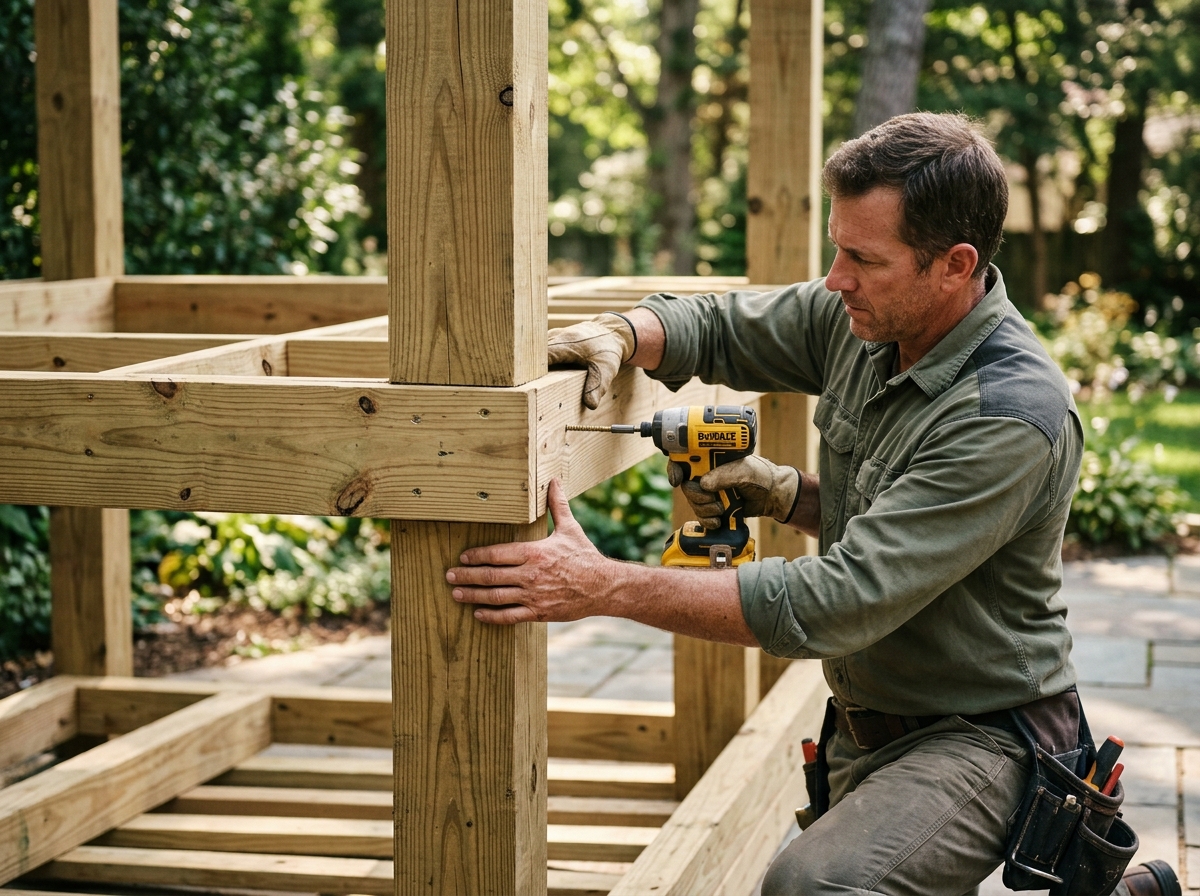
A stick-built bar means framing, roofing, siding, and usually a permit conversation with your town. That's weeks, sometimes longer if weather or inspections slow things down. A pre-fabricated build skips almost all of it. Here's how the two paths actually compare, step by step.
| Stage | DIY Build | Factory-Built Delivery |
|---|---|---|
| Design & materials sourcing | 1-2 weeks | Done before delivery |
| Permits (if required) | 1-4 weeks | Typically none needed |
| Framing & roofing | 2-4 weekends | Pre-built at the workshop |
| On-site assembly | N/A | About 90 minutes |
| Total time to usable bar | 4-8 weeks | 1 day |
That gap isn't small. It's the difference between a project that stalls out in your garage and one that's ready for the next weekend cookout. Reviewing proven ways to enhance your outdoor space before labor day makes the timeline pressure even clearer.
Why 90-Minute Assembly Matters for Busy Homeowners
Free nationwide delivery and assembly kills the two things that sink most DIY plans: hunting down decent lumber and finding a contractor who'll actually show up. No lumber yard runs. No waiting on a crew. Just a finished structure in about the time it takes to watch a football half. For anyone researching what a finished Backyard Oasis should look like before committing, seeing the real assembly window helps set expectations early.
2. Match the Bar Size to Your Yard and Guest List
Size is the decision that shapes everything else. A tight side yard behind a townhouse calls for something compact, while a half-acre lot built for cookouts can carry a much bigger footprint. Before picking a model, think about who actually shows up. Six friends for Sunday football is a different build than thirty people for a Fourth of July party. If you're leaning toward building something yourself, reading through a diy outdoor bar guide first will help you see what corners get cut when size and structure aren't planned together.
Original vs. Deluxe: What the Upgrade Actually Changes
The Original line uses standard framing, and it's a smart fit for newlyweds or first-time buyers who want a real gathering spot without overbuilding the yard. The Deluxe upgrade swaps in 6x6 posts and 6-inch roof framing. That's not cosmetic. It's added muscle for windy regions, heavier TVs, or shelving loaded with bottles and gear.
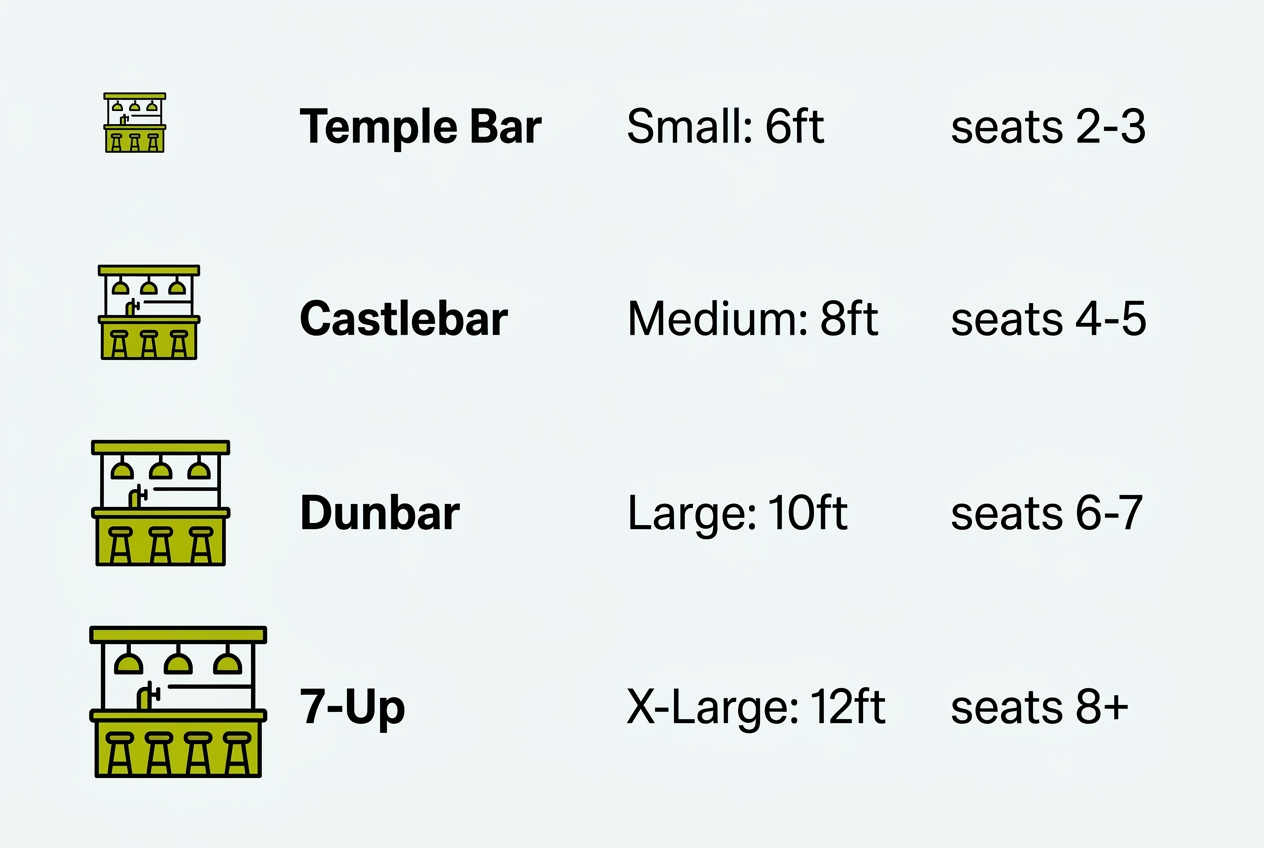
| Model | Best For | Typical Guest Count | Frame |
|---|---|---|---|
| Temple Bar | Small yards, patios | 2-6 people | Standard posts |
| Castlebar | Mid-size backyards | 6-12 people | Standard posts |
| Dunbar | Larger lots, frequent hosting | 12-20 people | Standard or 6x6 Deluxe |
| 7-Up | Big yards, large parties | 20+ people | Standard or 6x6 Deluxe |
Buying more bar than your yard needs just wastes lumber and money. Match the model to real usage, not the fantasy party you host twice a year.
3. Explore the Signature Collection for a More Distinctive Look
Not every backyard wants a boxy rectangle bar. Once you've settled on scale, it's worth looking past the standard shapes toward layouts built for a specific kind of yard or a specific kind of host. Five stand out for how differently they solve the same basic problem: giving you a place to pour a drink and gather people around it.
- The Dartford leans into a classic pub-corner feel, with a layout that works well when you want the bar to feel enclosed and cozy rather than open to the whole yard.
- The Half Pint is the compact option, sized to slide into narrow side yards or small patios where a full-size structure just wouldn't fit.
- The Open Bar drops the walls in favor of sightlines, which suits yards centered on a pool or patio where you want airflow and a clear view of guests.
- The Swingford introduces a more playful, angled layout that breaks up the usual straight-line bar top.
- The Forest Hill leans rustic, with a look built for yards that already lean toward natural materials and greenery.
Picking one is really about personality as much as function. If you're still gathering ideas, browsing options like refreshing cocktails for a backyard patio bar can help you picture how each layout gets used day to day. Small detail, big payoff: match the bar's openness to how much privacy you actually want.
4. Plan Your Backyard Oasis Around How You'll Actually Use It
Configuring for TVs and Low-Clearance Spaces
Before you pick a finish or worry about paint colors, think about sightlines. If Sunday football is the whole point, the TV placement decides everything else: bar height, seating angle, even which side you leave open for entry. A mounted screen needs weatherproof storage for cables and any streaming box, plus a shelf or cabinet that keeps electronics dry and out of direct rain. Plan the screen first, build around it second.
Low ceilings on an existing patio or covered deck can be a real problem for a taller structure. That's why adjustable roofline configurations matter — some builds let you drop the roof height or swap the frame depth so the whole thing tucks under an overhang without blocking a slider door. If you're going oversized on the TV, say 65 inches or larger, you'll want extra depth in the header beam so the screen doesn't crowd the bar top below it.
Grilling dads have their own version of this problem: not enough surface area for both the cooking and the hanging out. Pairing a bar with a dedicated grilling station, or choosing a shed/bar combo, solves storage headaches for tools, propane tanks, and folding chairs that otherwise pile up against the fence. It's a small layout decision that saves a lot of clutter later.
Extending the Season with Winterize Panels
A backyard bar that only works four months a year is half a bar. Winterize panels close off the open sides, cutting wind and holding in warmth from a patio heater, so game day in December doesn't mean huddling inside instead. Think of them the same way you'd think of storm windows: removable, seasonal, and cheap insurance against a wasted structure.
Panels also protect stools, taps, and electronics from snow and freezing rain, which matters more than people expect. For comparison, plenty of homeowners researching outdoor upgrades end up cross-referencing pool and patio projects, and if you look at how a company like a custom pool builder plans multi-season outdoor spaces, you'll notice the same principle: design for the shoulder seasons, not just July. That mindset applies just as well to a bar as it does to a pool deck.
Bottom line: panels aren't a luxury add-on. They're what turns a summer novelty into something you actually use ten months out of twelve.
5. Personalize the Finish So It Feels Like Yours
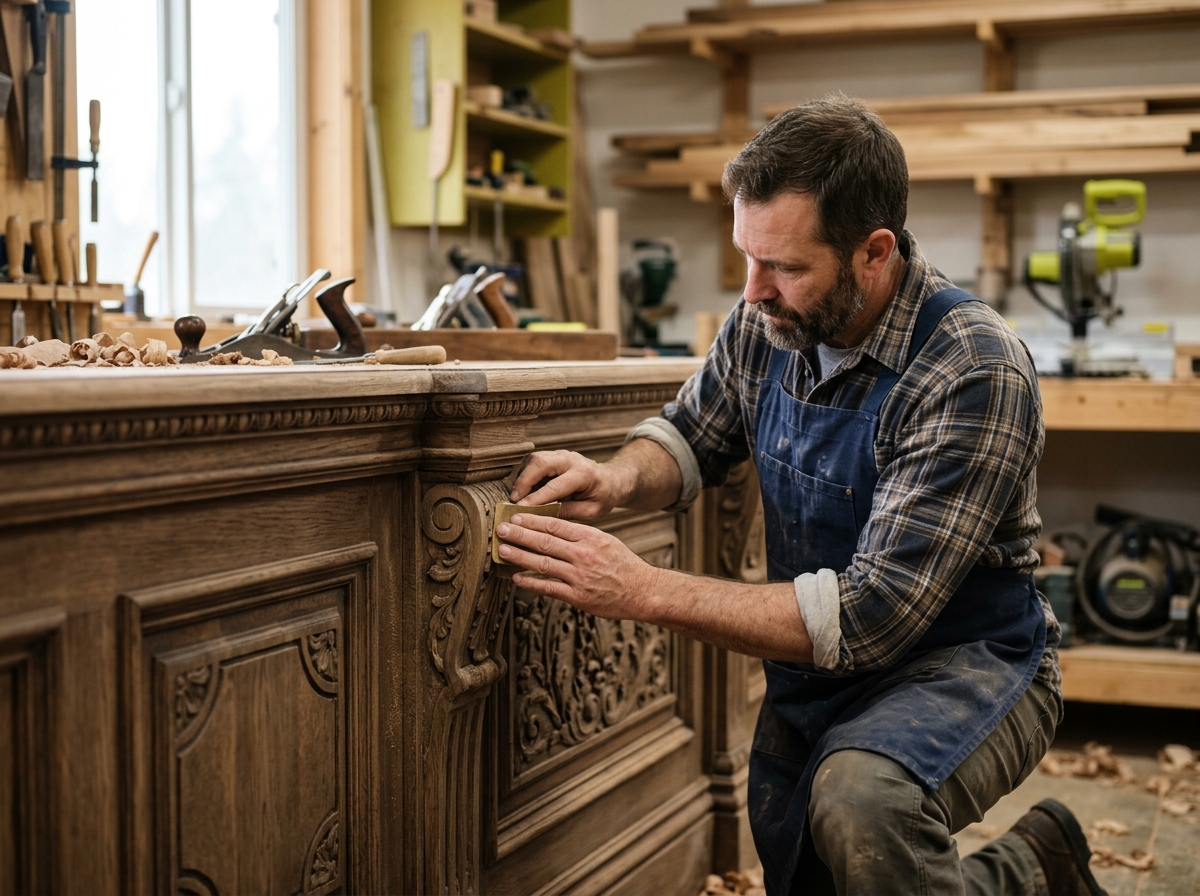
Once the structure's up, the fun part starts. A stock bar frame is just lumber and steel until you make a color decision. Painting packages exist for exactly this reason: matching your house trim, going bold with team colors for game day, or leaning into a coastal palette of soft blues and whites. Rustic stain works too, if you want that weathered, lived-in look from day one. The color choice is what separates a shed-like structure from something that looks built for your yard specifically. If you're gathering ideas before committing, browsing a well-curated board of Backyard Oasis concepts can help you settle on a direction before brush touches wood.
Prefer to do it yourself? Self-paint guidance turns finishing into a weekend project rather than a guessing game — primer type, coat count, weatherproofing tips, all spelled out. It's satisfying work, honestly. You get to see the transformation happen with your own hands.
Then come the details that make it functional: shelving for glassware, hooks for towels or tools, built-in bottle openers, string lighting or sconces for after dark. None of these are dramatic upgrades on their own. But stack them together and small choices add up to a space that feels genuinely yours, not something pulled from a catalog.
6. Build for Stability in Wind, Rain, and Uneven Ground
Materials That Hold Up Outdoors
A backyard bar only earns its keep if it survives actual weather. That means grade #1 pressure-treated lumber for the frame and galvanized corrugated steel for the roof, not the thinner stock you'll find on bargain kits. These materials resist rot, warping, and rust through freeze-thaw cycles and soaking summers alike. Comparing options before you buy? Many homeowners researching outdoor structures also look at general planning resources like backyard construction guidance to understand what separates a lasting build from a flimsy one.
| Feature | Standard DIY Kit | Built-Grade Outdoor Bar |
|---|---|---|
| Frame lumber | Untreated or low-grade | Grade #1 pressure-treated |
| Roofing | Vinyl or thin asphalt | Galvanized corrugated steel |
| Expected lifespan | 3-5 years | 15+ years with care |
| Wind resistance | Low without added bracing | Higher with proper anchoring |
Anchoring Tips for Windy or Exposed Yards
Materials only do half the job. The rest comes down to anchoring. Expansion bolts into a deck, patio slab, or concrete footing keep a structure planted during heavy gusts, and that guidance should come standard from whoever builds it. Site prep matters just as much: confirm level ground and mark anchor points before assembly day, not after. Skip that step and you're troubleshooting a wobble for years. A sturdy, properly anchored build also means fewer maintenance calls down the road compared to lightweight kits that shift, sag, or need re-leveling every season.
7. Budget and Financing: What a Custom Bar Actually Costs
What Drives the Price Up or Down
Cost isn't one fixed number. It moves with size, structure, and how much you add on top. A small bar built for two people costs a lot less than an x-large one meant to anchor game day for a crowd, and that's before you touch upgrades. Size is the biggest lever, but it's far from the only one.
- Size tier matters most: a compact bar sits at the low end, while the largest model built for bigger groups sits at the top, with two sizes in between.
- Deluxe upgrades to heavier 6x6 posts and 6-inch roof framing add cost but buy you a sturdier, longer-lasting structure.
- Add-ons like grilling solutions or a shed/bar combo raise the price but also raise how much the space actually does for you.
- Painting packages and bartender accessories are smaller line items that personalize the build without moving the budget much.
- Financing options let you spread payments monthly instead of writing one large check up front.
- A full refund guarantee applies if an order can't be fulfilled, which takes a real risk off the table before you commit.
Here's the honest comparison. A DIY build looks cheaper on paper, until you price tools, permits, wasted lumber, and the weekend labor of redoing a crooked frame. Thinking through what actually makes an outdoor space feel restful helps clarify whether you're paying for a hangout or building something closer to a true backyard retreat. A financed monthly payment on a turnkey build often lands close to what a shaky DIY project ends up costing anyway. One just skips the headache.
8. Learn From a Company That's Done This 5,000+ Times
Experience matters more than people think when you're bringing a structure into your yard. This particular story started in April 2020, when two Irish expats with combined decades of engineering and construction management experience decided backyard bars shouldn't require months of permits and contractors. That background shows up in the details: the joinery, the roofing, the way the whole thing gets anchored on-site. It's the difference between a build that holds up and one that doesn't.
National attention followed fast. A Shark Tank appearance in Season 16, Episode 6, aired November 22, 2024, ended with a secured investment deal, and The Wall Street Journal took notice too. That's not nothing. Over 5,000 Taverns have shipped out from workshops in Paterson NJ, Oldsmar FL, and South San Francisco CA since the company launched, which means the kinks got worked out somewhere around Tavern number 50. When you're comparing providers, that volume is a fair proxy for whether they've actually solved the hard problems.
Reviews back it up too: a 5.0 Google rating across 60+ reviews isn't easy to hold onto at scale. If you want a sense of how buyers talk about backyard builds once the excitement wears off, reading through candid feedback on BACKYARD OASIS gives you a useful, unfiltered baseline for comparison.
9. Get Support Before, During, and After Installation
What to Ask Before You Order
Before you commit to anything, get a real human on the phone. Good providers staff phone and text lines from 8am to 6pm EST, seven days a week, specifically so you can talk through sizing, roof configuration, and delivery windows before money changes hands. Ask about headroom if you're tall, ask how the entry side works with your fence line, and ask what a realistic delivery date looks like for your zip code. If you want a visual sense of what a fast build actually looks like on-site, watching a two-day backyard build documented start to finish is a smart gut check before you sign off on a design.
Don't stop asking questions once the structure is up. Aftercare matters just as much as the sales call. A dedicated support line should still be answering when you need help troubleshooting a wobble, prepping for winter with panel add-ons, or figuring out which bartender accessories fit your setup. Free delivery and assembly across nearly all of the Continental US also takes a huge logistics headache off your plate if you're ordering from out of state. That's a real difference from a big-box shed or gazebo purchase, where the relationship pretty much ends at checkout. Here, it doesn't.
Before you commit to a plan, it helps to be honest about which parts of the project you actually want to own. A poured slab, a run of power to the back corner, or a plumbed sink each brings its own licensed trade, its own permits, and its own timeline — worth pricing separately rather than folding into one vague budget. Ask yourself how level the site really is, how much you want to build versus simply place, and whether the finished setup needs water and appliances or just a solid, covered spot to pour a drink and gather; the answer to that last question tends to reshape everything else.